
Empowering Baka Communities: How a Bottom-Up Approach Builds Conservation and Livelihoods in Communities South of Dja Faunal Reserve
An Overview
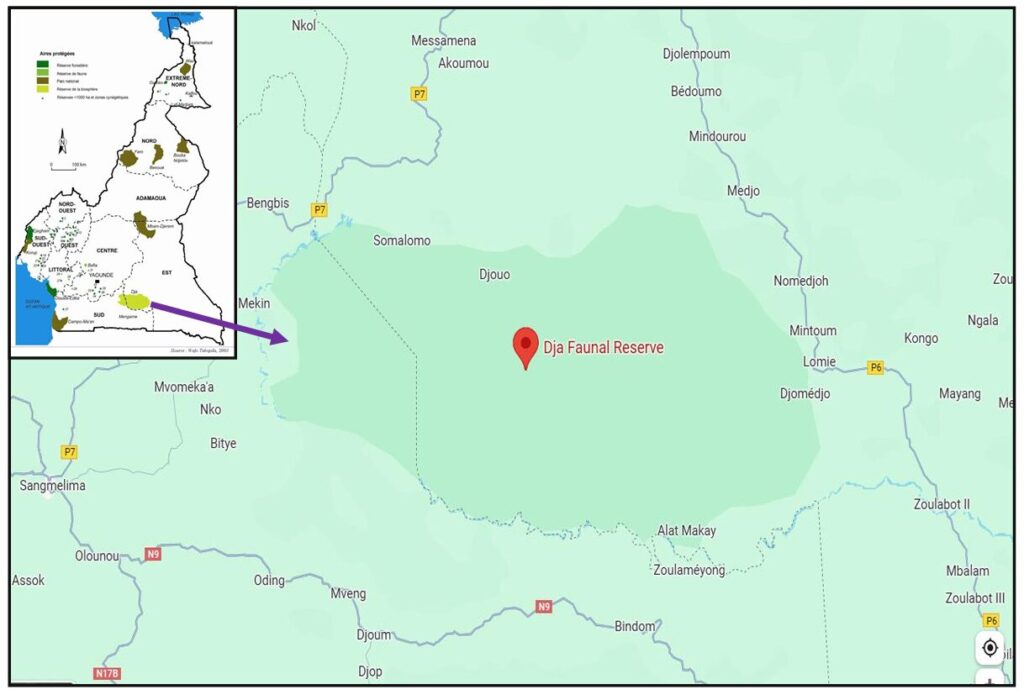
From 15 to 30 September 2025, Conservation Roots Alliance (CRA) conducted a mission to engage indigenous Baka communities living south of the Dja Faunal Reserve in Cameroon. This was the first phase of CRA’s bottom-up approach designed to ensure that these communities themselves define, lead, and sustain conservation and livelihood projects that fit their culture, needs, and aspirations.
Why a bottom-up approach matters
A bottom-up approach places communities at the heart of decision-making. Rather than external actors dictating what needs to be done, CRA works with the Baka people to co-identify priorities, resources, constraints, and opportunities. This kind of participation increases the likelihood that projects are relevant, beneficial, sustainable, and culturally respectful. It aligns with recognized best practices in participatory conservation: capacity building, community leadership, rights recognition, and alignment with traditional knowledge.
What We Did: Phase 1 Mission
1. Engagement and Listening:
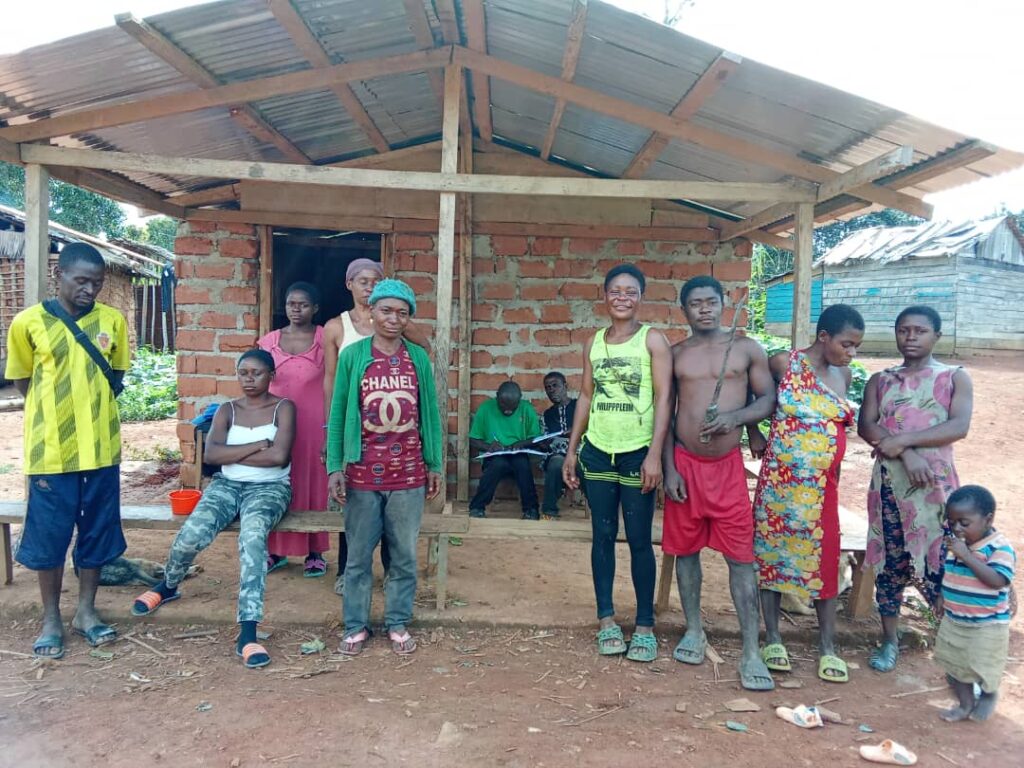
- CRA’s team, including indigenous Baka liaisons and young conservationists, visited ten Baka communities.
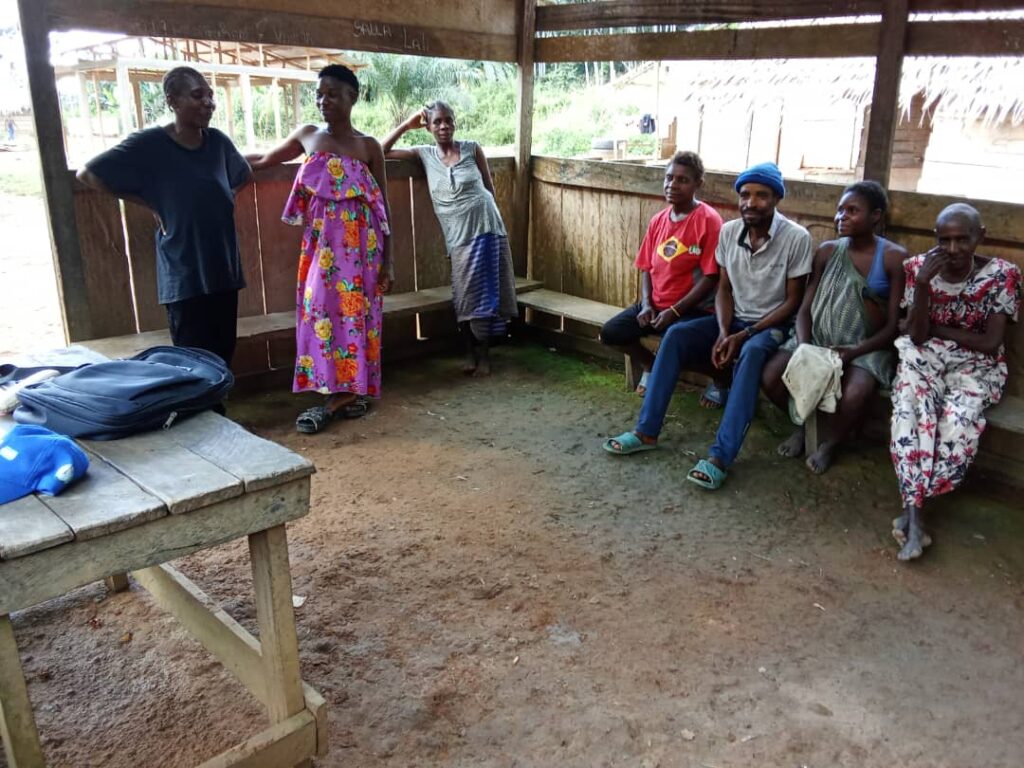
- In each village, they conducted sensitization meetings and open discussions to learn directly from people about their daily activities, livelihood strategies, challenges, and aspirations.
2. Identifying Needs and Priorities:
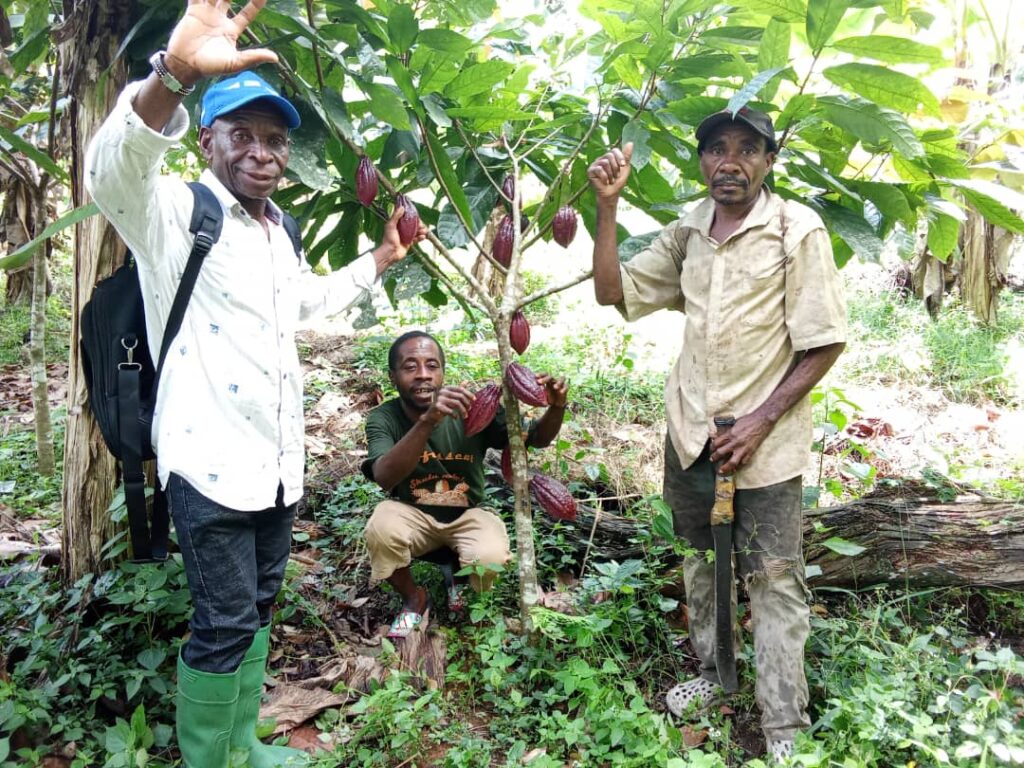
- Agriculture (maize, cassava, plantains, cocoa) was identified as central to livelihoods. Some communities also practice livestock farming and small-scale fish farming.
- Constraints raised included: insufficient farming tools, lack of seeds, technical know-how, limited land access, decreasing access to forests / non-timber forest products (NTFPs), and occasional conflict with neighbouring Bantu communities.
- Also emphasized was the desire for long-term sustainable projects.
From data to project design
Using what was heard on the ground, CRA is now co-developing projects with the Baka that:
- Are culturally appropriate: aligning with Baka traditions and ways of interacting with land and forests.
- Are sustainable: combining immediate livelihood improvements (e.g. food security, income) with conservation outcomes (restoration, reforestation, protection).
- Empower local leadership: giving control over planning, implementation, maintenance, and decision-making to Baka individuals or groups.
Next steps and call to action
Phase 1 has confirmed that the bottom-up approach not only builds trust and ownership, but sets a strong foundation for projects that can last. Moving forward, CRA will support agriculture expansion, livestock and fish farming, reforestation, tools and training, and advocacy for land access and indigenous rights.
We invite supporters, partners, and sympathizers to join hands with us — whether via technical support, funding, or advocating for policy environments that respect indigenous agency. Together, we can build a future where Baka communities lead in conserving biodiversity, safeguarding traditions, and improving livelihoods.